

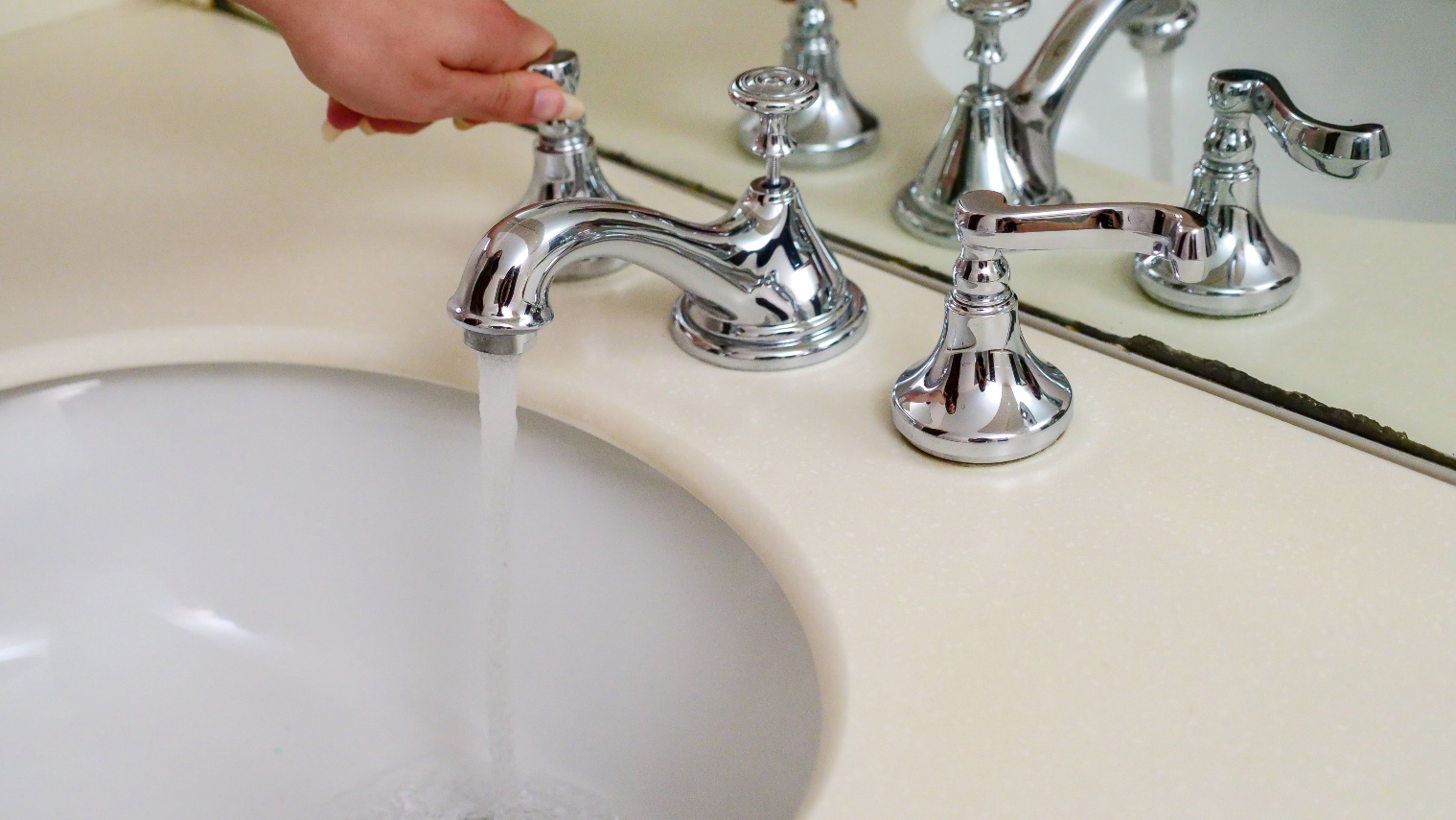
A shower may feel normal until the washing machine starts filling or someone opens another faucet. When pressure drops sharply during simultaneous use, the plumbing system may be struggling to deliver enough flow. Homeowners often call for plumbing services in Williamstown, NJ when several rooms are affected.
A slight change can be normal. A major drop, pulsing flow, or nearly stalled shower deserves investigation.
How Simultaneous Use Exposes Supply Problems
Every active fixture draws from the same incoming supply. Water travels through the service line, main shutoff, branch piping, and fixture valves. If one section is restricted, the weakness becomes more noticeable as demand increases.
Compare the shower alone with the shower running while a sink or appliance fills. Note whether the problem affects hot water, cold water, or both. A hot-only change may involve a nearby valve or connection, while a whole-home drop points farther upstream.
Mineral Buildup and Aging Pipes Reduce Capacity
Scale and corrosion can narrow older supply lines. The U.S. Geological Survey explains that mineral scale may reduce a pipe’s inside diameter, limiting water movement and lowering pressure. Cleaning one faucet aerator may improve a single outlet, but it will not correct restrictions throughout the house.
Repeated leaks, discoloration, and poor flow may justify an assessment for whole-house repiping. Repiping is not automatic, but it can become practical when aging lines cause recurring problems.
Valve and Pressure-Regulator Problems
A partly closed main valve can restrict the entire home. Older gate valves may break internally, leaving the waterway partially blocked. A failing pressure-regulating valve can also cause weak or inconsistent flow.
EPA WaterSense home-maintenance guidance states that residential fixtures generally perform best when incoming pressure is between 45 and 60 psi. A plumber can compare static pressure with pressure while several fixtures operate. This helps separate an incoming-pressure concern from an internal restriction. New Jersey’s current construction codes identify the plumbing subcode used for regulated work.
Hidden Leaks Use Water Before It Reaches Fixtures
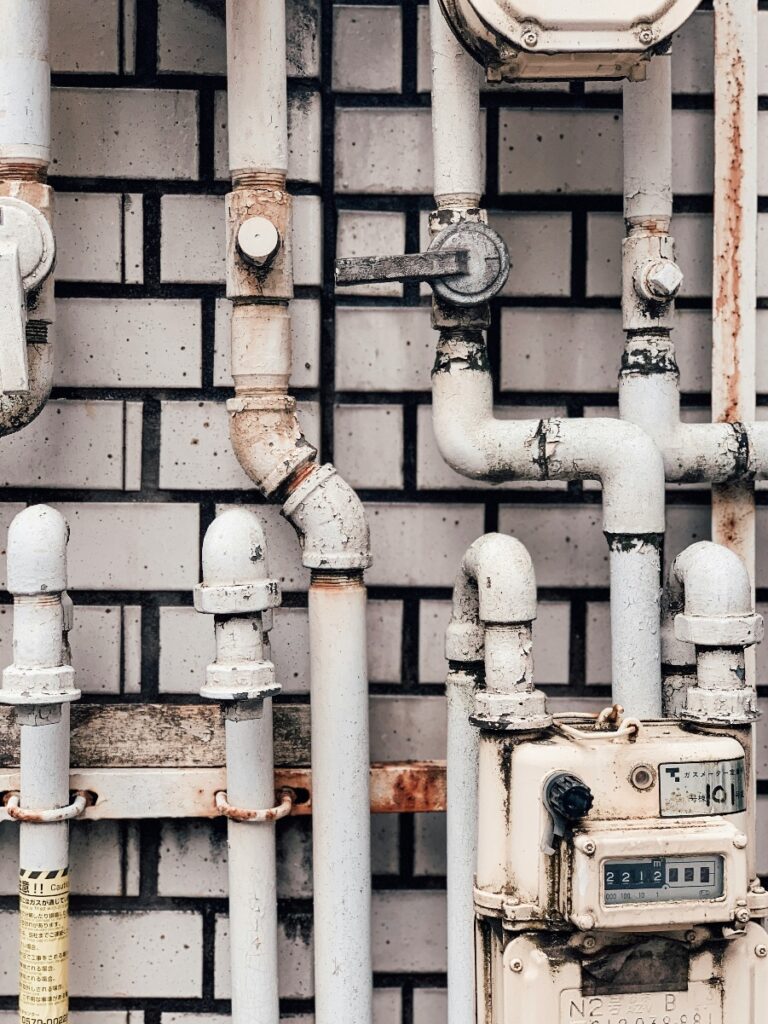
A concealed supply-line leak can divert water and make pressure fall during busy periods. Damp drywall, stains, musty odors, meter movement when fixtures are off, or an unexplained bill increase are useful warnings. EPA guidance on leak detection and flow monitoring explains that monitoring devices can identify irregular water-use patterns.
Anyone searching for leak detection and repair should arrange service promptly when low pressure appears suddenly with moisture or water damage.
When to Call for Plumbing Services
Pressure that falls only during heavy use may reflect household demand, but severe or worsening changes can indicate a valve, leak, or pipe restriction. Contact Abbott Plumbing Inc. Our licensed team can measure pressure, inspect supply components, explain the findings, and recommend repairs based on the home’s condition. Homeowners looking for a licensed plumber can expect dependable communication and workmanship.