

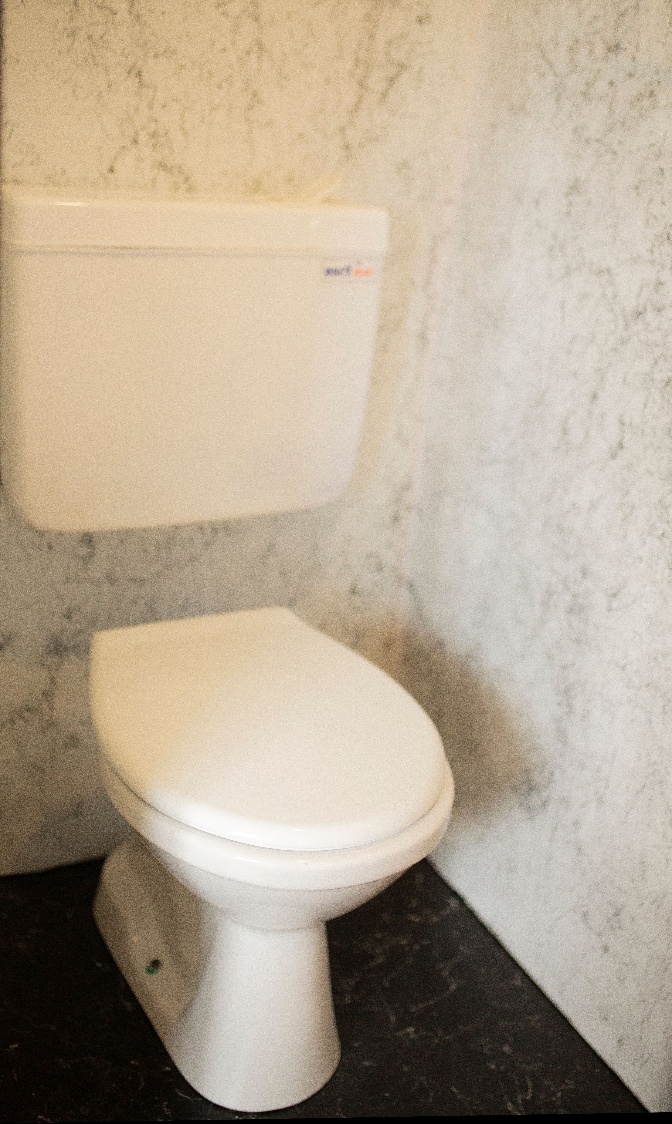
A toilet can lose water without leaving a puddle. Some leaks move from the tank into the bowl, while others travel behind the fixture or beneath the flooring. Homeowners often request toilet installation and repair after noticing unexplained refilling, higher water use, or subtle moisture.
Silent Tank Leaks Send Water Straight Into the Bowl
A worn flapper or flush-valve seal can let water pass continuously from the tank into the bowl. The floor stays dry because the water follows the normal drainage path. EPA guidance on residential toilet leaks identifies worn flappers as a frequent cause.
A chain that is too tight may keep the flapper slightly open. A poorly adjusted fill valve can also send water into the overflow tube. Common clues include brief refilling sounds when no one has flushed or movement in the bowl water.
Homeowners can place a few drops of food coloring in the tank and wait without flushing. If color reaches the bowl, water is passing through the seal. EPA silent-leak testing guidance describes this check.
Seals and Connections May Leak Out of Sight
Tank bolts, the tank-to-bowl gasket, the supply-line coupling, and the shutoff-valve connection can release small amounts of water. Moisture may run down the back of the toilet or collect beneath it without forming a visible puddle. Rust, mineral residue, softened flooring, or a musty odor can reveal the problem.
A deteriorated wax ring may leak only during flushing. If the toilet rocks, water can enter the flooring below rather than spread across the bathroom surface. Homeowners should not keep tightening bolts because excessive force can crack porcelain.
Simple Checks Can Reveal Hidden Water Loss
Dry the tank, supply line, shutoff valve, and floor, then press a clean paper towel against each connection. Check again after flushing. Watch the water meter when no fixtures are being used. New Jersey indoor water-conservation guidance recommends fixing running toilets and household leaks.
Professional leak detection and repair may be needed when the source remains unclear, moisture returns, or the flooring feels soft.
When Toilet Installation and Repair in Williamstown Is Needed
Schedule service when the toilet refills on its own, rocks at the base, shows corrosion at the bolts, or continues leaking after a basic adjustment. Replacement may be more practical if the bowl or tank is cracked, the mounting area is damaged, or repairs keep returning. New Jersey publishes current plumbing code information for regulated installation work.
Schedule Dependable Toilet Service
A dry bathroom floor does not rule out a toilet leak. For toilet installation and repair in Williamstown, contact Abbott Plumbing Inc. Our licensed team can inspect the tank, seals, connections, and mounting area, explain the findings clearly, and complete professional repairs with dependable communication throughout Williamstown and Gloucester County.