

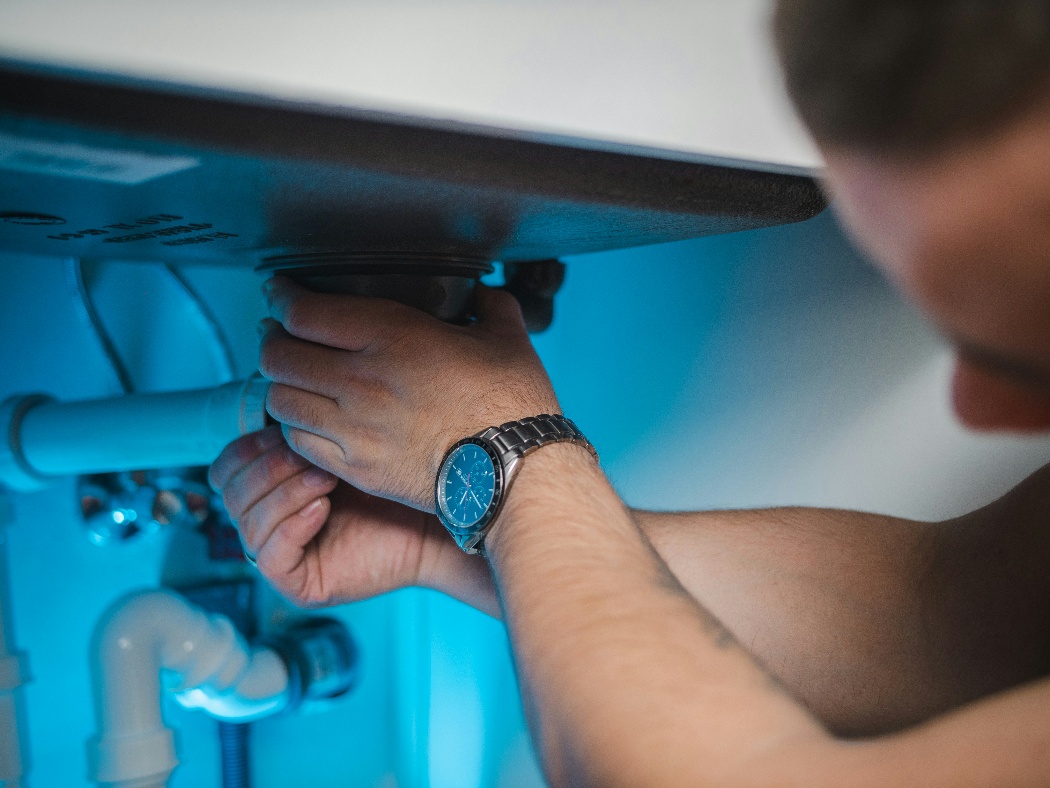
A shower that turns lukewarm sooner than expected is more than an inconvenience. When a water heater once handled the household routine but no longer does, water heater repair may be needed to identify whether the problem is reduced tank capacity, a failing component, an incorrect setting, or deterioration inside the unit.
Sediment Can Reduce the Tank’s Usable Capacity
Minerals can settle at the bottom of a storage tank, leaving less room for heated water. The U.S. Geological Survey explains that heating hard water can form calcium carbonate deposits that reduce equipment life and efficiency. Sediment may also produce popping or rumbling sounds while the unit operates.
A plumber can consider the tank’s age, maintenance history, noise level, and hot-water recovery before recommending service. Flushing is not automatically appropriate for every older tank, particularly when corrosion or a weakened drain valve is present.
Heating Components and Thermostats May Be Failing
Electric water heaters commonly rely on more than one heating element. If one stops working, the household may still receive hot water, but the available amount and recovery speed can drop sharply. A thermostat problem can create similar symptoms by limiting how consistently the tank heats.
Homeowners should not remove access panels or test energized components themselves. A professional can check temperature, electrical continuity, connections, and overall tank condition without guessing from the symptom alone.
Household Hot-Water Demand May Have Changed
The equipment may be functioning normally but no longer match the home’s routine. Additional residents, longer showers, overlapping laundry use, or a new high-flow fixture can exhaust a storage tank sooner. ENERGY STAR sizing guidance recommends using the current tank capacity as a starting point while considering whether household needs have increased.
When replacement is being considered, a plumber can compare conventional water heater installation with tankless water heater installation. ENERGY STAR notes that tankless capacity is measured by gallons per minute and must account for fixtures likely to operate together.
Age and Tank Deterioration Change the Repair Decision
Rust-colored hot water, moisture near the base, recurring repairs, and declining recovery can indicate that the tank is nearing the end of practical service. Abbott Plumbing Inc.’s water heater services cover inspection, repair, and replacement guidance based on the unit’s actual condition. New Jersey’s current construction codes identify the plumbing requirements that apply to regulated installation work.
Schedule Water Heater Repair in Williamstown, NJ Before Performance Declines Further
Running out of hot water faster than before usually has a specific cause. Contact Abbott Plumbing Inc. Our licensed team can inspect the tank, explain the findings clearly, and determine whether repair or replacement offers the better long-term result. For dependable water heater repair in Williamstown, NJ, we provide professional residential plumbing support and consistent communication from assessment through completion.