

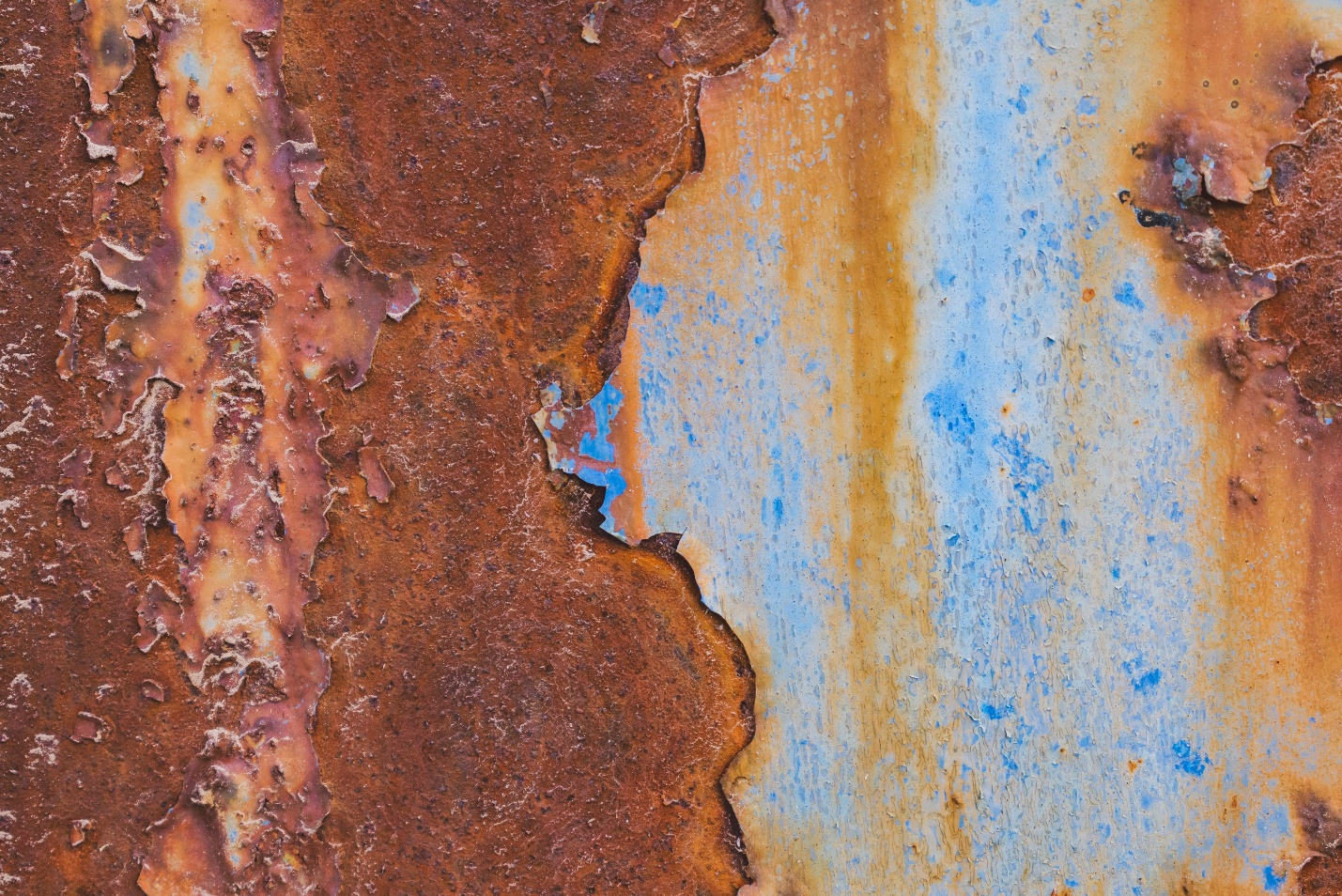
Turning on the hot water and seeing rusty, brown, or discolored water flow from the faucet can be alarming. Many homeowners assume the problem is temporary and hope it will clear up on its own. However, changes in the color of your hot water often indicate that something inside your plumbing system or water heater needs attention.
While discolored water doesn’t always mean that your water heater is failing, it should never be ignored. In many cases, rusty hot water is one of the first warning signs that a water heater is developing problems that could become more serious and expensive over time.
Why Does Hot Water Become Rusty?
The first step in identifying the problem is determining whether the discoloration occurs only when using hot water or if it affects both hot and cold water.
If only the hot water appears rusty or discolored, the issue often originates inside the water heater itself. Sediment, corrosion, and aging components can all contribute to changes in water color.
If both hot and cold water are discolored, the issue may involve the home’s plumbing system or the municipal water supply instead.
Sediment Buildup Can Affect Water Quality
Over time, minerals naturally present in the water supply settle to the bottom of the water heater tank.
This sediment buildup can cause several problems. It may reduce heating efficiency, increase energy consumption, and contribute to discolored water.
As the sediment accumulates, homeowners may also notice:
- Reduced hot water capacity
- Rumbling or popping noises
- Longer wait times for hot water
- Inconsistent water temperatures
Routine maintenance can help remove sediment before it begins affecting the performance of the water heater.
The Anode Rod Plays an Important Role
Inside every tank-style water heater is a component called the anode rod.
This metal rod is designed to attract corrosive elements in the water and protect the tank from rusting. Over time, however, the anode rod gradually deteriorates and eventually needs replacement.
When the anode rod becomes depleted, the inside of the water heater becomes more vulnerable to corrosion.
Replacing a worn anode rod at the appropriate time can often extend the life of the water heater and improve water quality.
Rusty Water May Indicate Larger Plumbing Concerns
In some cases, the water heater itself is not the only issue.
Older plumbing systems may contain pipes that have developed internal corrosion. Rust particles from aging pipes can sometimes contribute to water discoloration and create concerns throughout the home’s plumbing system.
Professionals who provide plumbing services in Williamstown, NJ can help determine whether the issue originates within the water heater, the plumbing system, or both.
Why You Shouldn’t Ignore Discolored Hot Water
Many plumbing problems begin with subtle warning signs.
Rust-colored water may seem like a minor inconvenience at first, but ignoring it can lead to:
- Reduced water heater efficiency
- Premature equipment failure
- Higher utility costs
- Leaks and water damage
- Unexpected loss of hot water
Addressing the issue early often allows homeowners to avoid more extensive repairs and better protect their plumbing systems.
If you’ve noticed rusty or discolored hot water in your home, don’t wait for the problem to become a complete water heater failure. Abbott Plumbing Inc. provides dependable water heater repair in Williamstown, NJ. From routine maintenance to more complex repairs, their experienced team is ready to help.