
A toilet that flushes slowly or requires multiple flushes can quickly become a frustrating household problem. While many homeowners assume the issue is simply an inconvenience, weak flushing performance often indicates that something within the plumbing system needs attention.
A properly functioning toilet should clear the bowl with a single flush. If water lingers in the bowl, waste doesn’t clear completely, or you constantly find yourself flushing more than once, there may be an underlying plumbing issue that should not be ignored.
Low Water Levels Can Affect Flushing Power
Every toilet tank needs an adequate amount of water to create the pressure necessary for an effective flush.
If the water level inside the tank is too low, the toilet may struggle to remove waste efficiently. This issue can occur due to an improperly adjusted float, a malfunctioning fill valve, or aging tank components that no longer function properly.
Fortunately, low water levels are often easy to identify and can usually be corrected before they lead to additional plumbing problems.
Worn Tank Components Can Reduce Performance
Toilets rely on several internal components to operate correctly. Over time, parts such as flappers, fill valves, and flush mechanisms naturally wear out.
As these components deteriorate, the toilet may:
- Flush weakly
- Run continuously
- Refill slowly
- Require multiple flushes
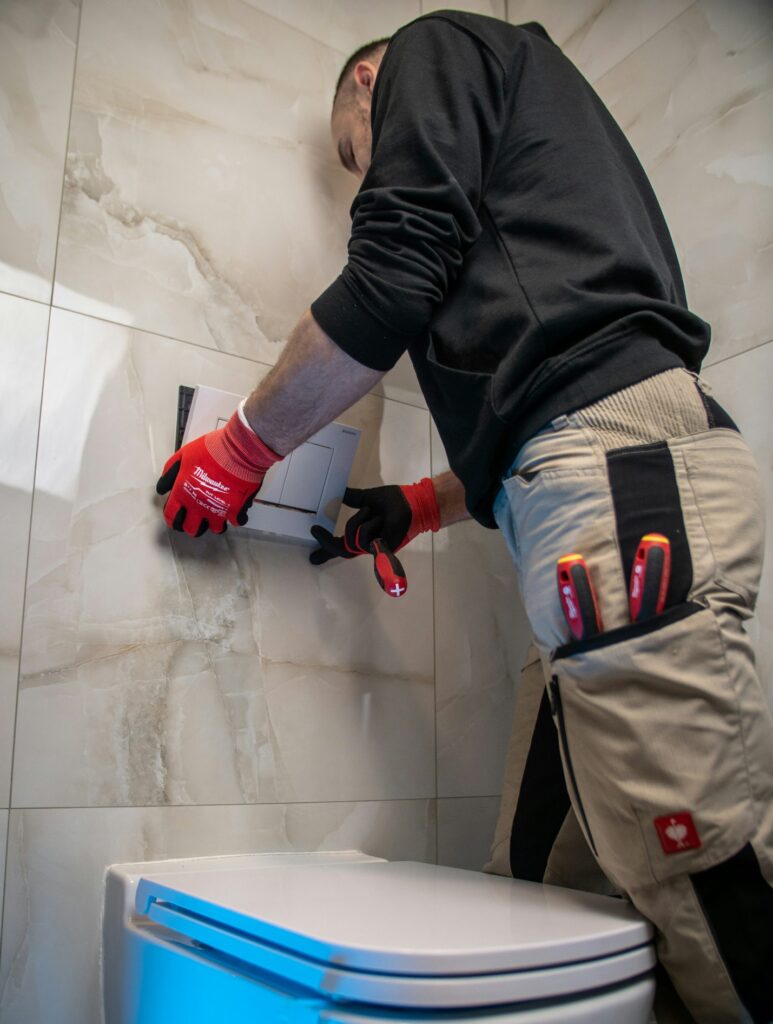
Even small component failures can significantly affect flushing performance. In many cases, homeowners seek toilet repair in Williamstown, NJ after noticing that their toilet no longer operates as efficiently as it once did.
Addressing worn components promptly can often restore normal performance and prevent water waste.
Drain Restrictions Can Affect Multiple Fixtures
Sometimes the issue extends beyond the toilet itself.
A restriction somewhere within the home’s drainage system can interfere with wastewater flow and reduce flushing efficiency. Homeowners may also notice slow drains in nearby sinks or showers when this occurs.
In some situations, recurring toilet problems eventually require professional drain cleaning in Williamstown, NJ to restore proper drainage and improve plumbing performance throughout the home.
Paying attention to other plumbing symptoms can help determine whether the problem is isolated to the toilet or affecting the larger drainage system.
Hard Water Can Create Hidden Problems
Mineral deposits from hard water can gradually build up inside the small openings beneath the toilet rim.
These openings help direct water into the bowl during each flush. When they become partially blocked by mineral buildup, the amount of water entering the bowl decreases, reducing flushing power.
This type of issue often develops gradually, making it difficult for homeowners to recognize the problem immediately.
Routine maintenance can help prevent mineral accumulation from affecting toilet performance.
Older Toilets Naturally Become Less Efficient
Even well-maintained toilets experience wear over time.
Aging components, accumulated mineral deposits, and years of daily use can gradually reduce flushing efficiency. In some cases, repeated repairs may indicate that the fixture itself is reaching the end of its useful life.
An inspection can help determine whether repairs will restore proper function or whether replacing the toilet may be the more practical long-term solution.
If your toilet flushes slowly or requires multiple flushes, don’t wait for the problem to become a complete blockage. Abbott Plumbing Inc. provides dependable toilet repair in Williamstown, NJ, to help homeowners resolve frustrating toilet problems and maintain reliable plumbing performance. Contact us today.