

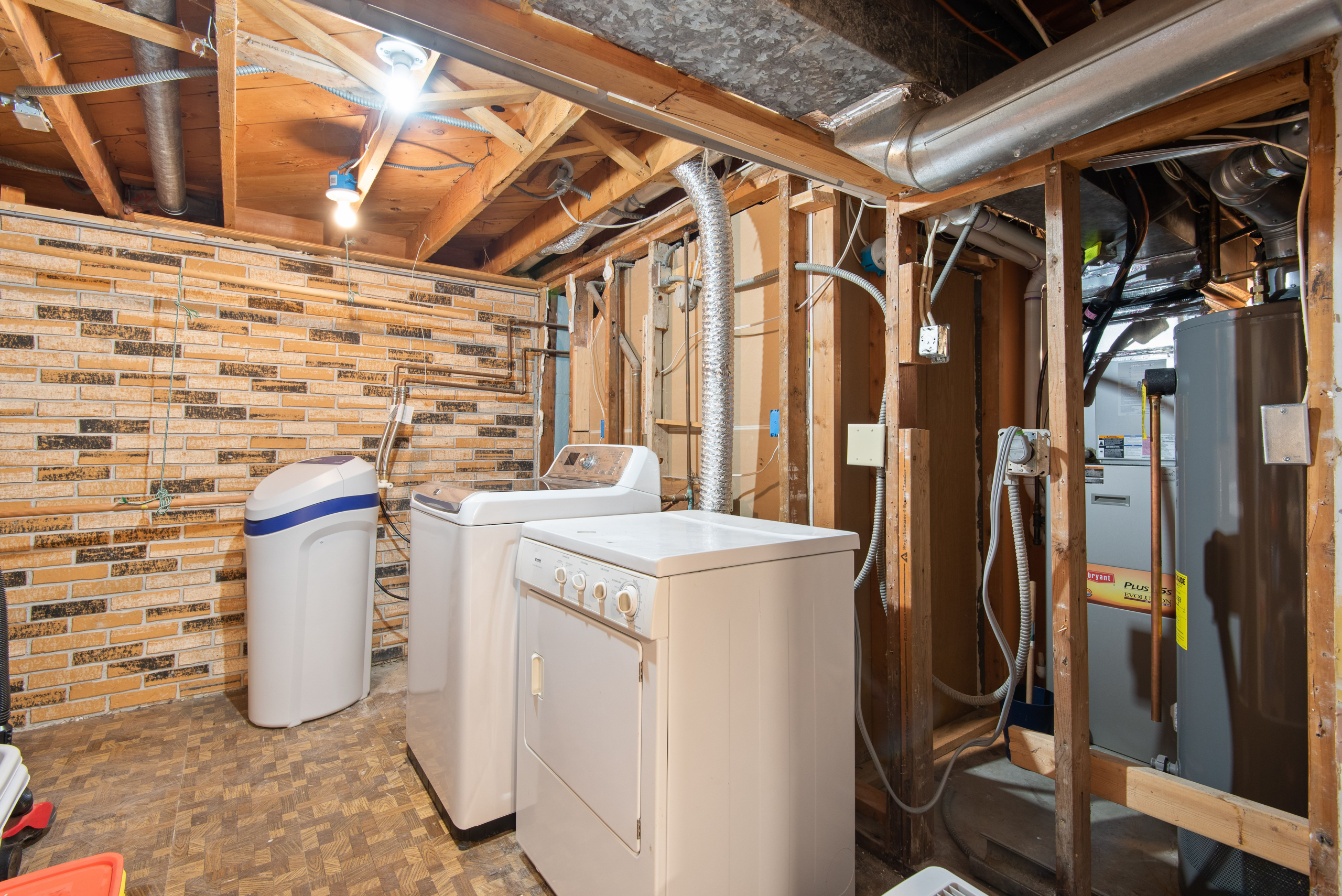
A water heater that begins popping, crackling, or rumbling is usually signaling a change inside the tank. For homeowners considering water heater installation, the sound alone does not confirm that replacement is necessary. Tank age, hot-water output, maintenance history, leaks, and the condition of the connections all help determine the right next step.
Sediment Changes How Water Moves Inside the Tank
Minerals and loose sediment can settle at the bottom of a storage tank. As the burner or electric elements warm the water, small pockets of water move through the deposits and may create popping or rumbling sounds. The U.S. Geological Survey explains that heating hard water can form calcium carbonate deposits that reduce equipment life and efficiency.
A light sound from a newer unit may call for inspection and maintenance. Loud rumbling from an older tank, especially when hot water runs out sooner than before, can indicate heavier accumulation or declining performance. Sediment can also make the unit work longer to deliver the same amount of hot water.
Maintenance History Helps Guide the Decision
A plumber will usually ask whether the tank has been maintained, how old it is, and when the noise began. A unit that has received regular service may still have repairable components. An older tank with no maintenance history may have extensive deposits, internal corrosion, or a weakened drain valve.
Homeowners searching for the best water heater repair should look for a professional who evaluates the full system rather than treating the noise in isolation. Abbott Plumbing Inc.’s water heater services include inspection, repair, and replacement guidance based on the unit’s actual condition.
Warning Signs That Deserve Prompt Attention
Noise becomes more concerning when it appears with rusty or cloudy hot water, inconsistent temperature, longer recovery times, moisture around the tank, or visible corrosion. Water collecting at the base of the unit should be checked promptly because the source could be a fitting, valve, or the tank itself.
Repair may make sense when the tank is otherwise sound and the problem involves a serviceable part. Replacement is often more practical when the tank is leaking, repairs are becoming frequent, or performance remains poor after service.
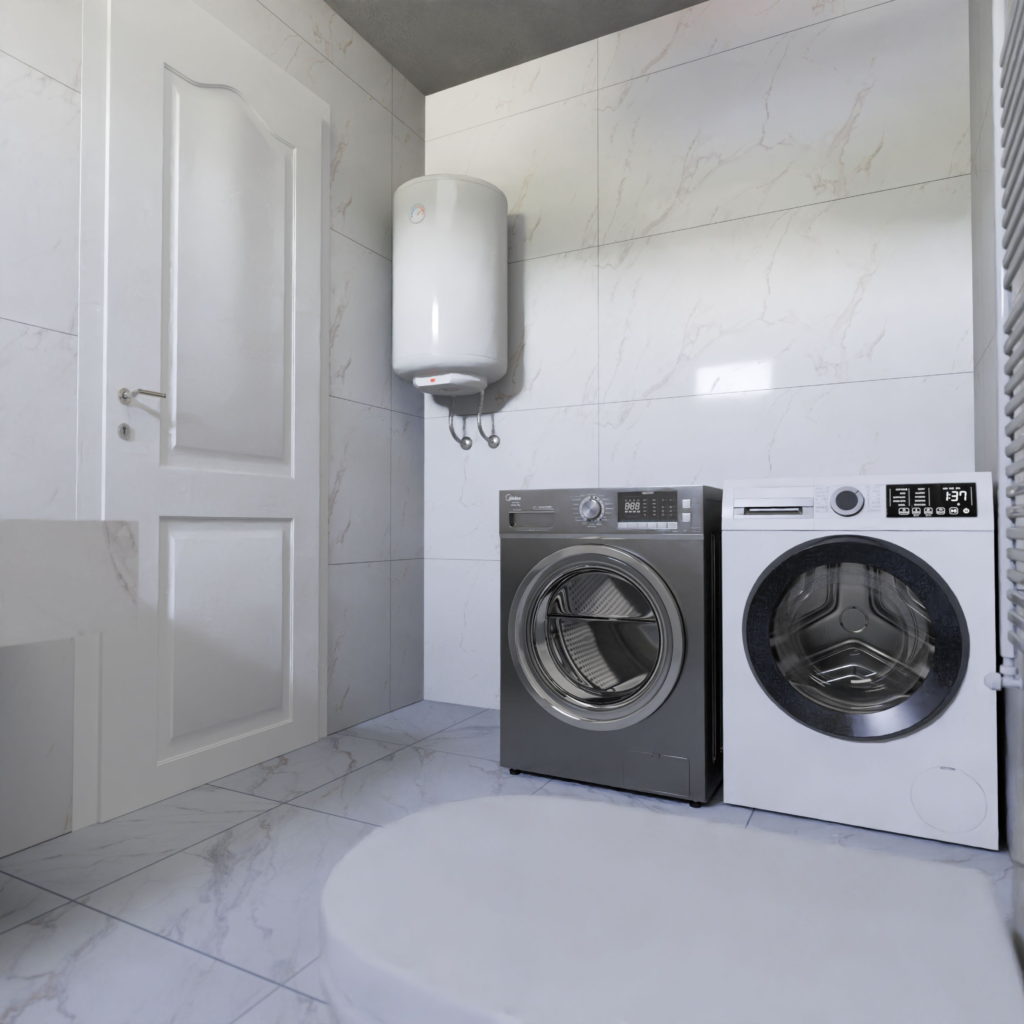
When Water Heater Installation Makes Sense
Replacement planning should consider household hot-water demand, installation space, connection condition, and long-term operating needs. The U.S. Department of Energy distinguishes between storage, instantaneous, and heat-pump water heaters, which differ in how they produce and hold hot water. Homeowners comparing traditional equipment with tankless water heater installation in NJ can review Abbott Plumbing Inc.’s tankless water heater service for a clearer view of the available approach.
Water heater replacement must also follow applicable local requirements. New Jersey’s current construction code information identifies the plumbing subcode used for regulated installation work.
Schedule a Professional Water Heater Assessment
Popping or rumbling should not be ignored when performance is changing. For water heater installation in Williamstown, NJ, contact Abbott Plumbing Inc. Our licensed team can inspect the tank, explain whether repair or replacement is more practical, and provide dependable communication throughout the service. We help homeowners choose a solution based on household needs, system condition, and professional residential plumbing standards.